
Navigating the Complexities of Mixed-Use Property Management
As urban landscapes continue to evolve, mixed-use developments are becoming a defining feature of modern real estate. These integrated communities, where people live, work, and engage, represent a shift toward more sustainable and dynamic city environments and an increasing preference for convenience, connectivity, and lifestyle integration.
Together, let’s explore the unique characteristics of mixed-use properties, the challenges they present, and the strategies that drive long-term success.
What is a Mixed-Use Property?
A mixed-use property is a thoughtfully designed development that blends multiple functions, typically residential, commercial, and retail, into a single cohesive environment. These properties are designed to reduce dependence on vehicles, promote walkability, and create vibrant communities that attract both residents and visitors.
Also referred to as multi use or multi-purpose developments, these assets support today’s growing demand for experiential environments that seamlessly combine convenience, sustainability, and lifestyle in one location.
Examples of Mixed-Use Communities
To illustrate the concept, let’s look at two exemplary mixed-use developments:
-
West Village Poway, Poway, CA
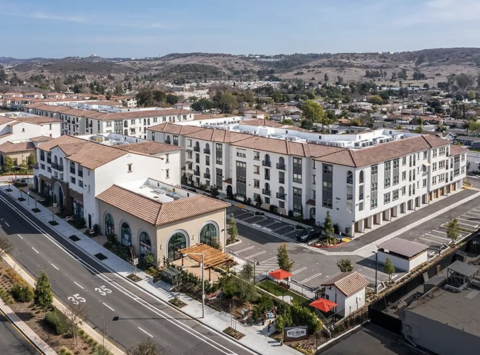
West Village Poway, which includes 212 units and 10,000 square feet of retail space across five buildings. The five-building, mixed-use property was designed by AO and features 10,000 square feet of restaurant and retail space, as well as a public plaza. Three buildings are fully residential; two are four stories tall, and the other is three stories. The other two buildings are three-story mixed-use assets with two-bedroom apartments above the retail spaces.
2. Madrone Place, San Jose, CA
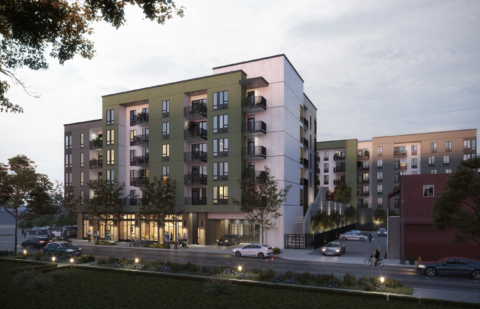
Located on a 1.2-acre infill site within the San Jose Diridon Station Area Plan (DSAP), this distinctive 100% affordable housing project stands at the crossroads of innovation, situated near the envisioned Google transit village, upcoming BART, and the future high-speed rail. It responds to the growing demand for affordable housing in this emerging urban hub, fostering the city’s vision for a dynamic, walkable community.
Challenges in Mixed Use Property Management
Managing a mixed-use property is similar to running a small city. Property managers must navigate the distinct needs of various tenants while maintaining cohesion, profitability, and long-term asset value.
1. Balancing Diverse Tenant Needs
Each tenant group has different operational priorities:
- Residential tenants seek safety, comfort, and well-maintained spaces.
- Commercial tenants (e.g., office users) require accessible infrastructure and reliable building systems.
- Retail tenants depend on visibility, extended hours, and strong foot traffic.
Conflicts are inevitable, such as early morning deliveries affecting residents, but can be mitigated through clear communication, physical planning (e.g., loading zones), and proactive policies like designated delivery hours.
2. Navigating Regulatory and Zoning Challenges
Zoning laws and building codes vary significantly between jurisdictions and can complicate development and management. Successful projects involve early collaboration with planning authorities, legal advisors, and design professionals to ensure long-term compliance. Vestra at UnCommons, for example, benefited from a regulatory strategy aligned with local development goals from the outset.
3. Optimizing Shared Spaces and Amenities
Shared spaces such as parking lots, lobbies, and green areas require careful coordination to remain functional and welcoming. Smart technologies can streamline parking allocation, while consistent maintenance ensures public areas remain attractive and functional. These communal features enhance tenant satisfaction and boost long-term asset value.
4. Financial and Operational Complexity
Mixed-use properties involve large capital outlays and intricate income streams. Effective financial planning is critical, especially when different sectors, such as retail or residential, respond differently to economic cycles.
A dip in retail revenue might be offset by consistent residential leasing, as seen in Brighton 3050. To ensure the long-term success of the asset, property managers must collaborate with leasing and asset management teams to:
- Optimize the tenant mix
- Maintain cash flow resilience
- Track capital expenditures across multiple use types
5. Enhancing Investor Appeal
Mixed-use developments offer compelling investment opportunities thanks to their diversified income and long-term growth potential. However, realizing that value requires a clear strategy that requires property teams to:
- Align leasing efforts with market demand
- Prioritize high-performing tenant categories
- Maintain transparency with stakeholders through consistent reporting
Strategies for Success
To thrive in mixed-use property management, professionals must take a forward-thinking and integrated approach, which includes:
- Fostering Open Communication: Regular tenant meetings and digital platforms can address concerns while simultaneously building a sense of community.
- Investing in Technology: Tools like property management software and IoT-enabled systems streamline operations and enhance tenant experiences through improved service delivery.
- Engaging Experienced Teams: Partner with architects, planners, and management firms specializing in mixed-use properties to ensure seamless execution.
- Monitoring Market Trends: Stay agile by adapting the tenant mix and amenities to evolving consumer preferences, whether it’s the rise of coworking spaces or the demand for experiential retail.
- Prioritizing Community Building: Host events or create shared spaces that encourage interaction, transforming the property into a destination rather than just a place to live or work.
Turning Complexity into Competitive Advantage
Mixed-use developments are shaping the future of cities. Projects like West Village Poway or Madrone Place show how integrating diverse real estate functions can create communities that are not only sustainable and engaging but also highly profitable.
However, these opportunities come with complexity. From regulatory navigation to tenant balance and financial planning, success hinges on strategic property management that blends expertise with agility.
At NAI San Diego, we help owners turn complexity into opportunity. Through thoughtful management, cutting-edge tools, and a collaborative mindset, we elevate mixed-use properties to deliver lasting value for tenants, investors, and the communities they serve.
Ready to unlock the full potential of your mixed-use asset?
Contact our team to learn how we can support your vision, from initial planning through long-term performance.